
“To appreciate the beauty of a snowflake it is necessary to stand out in the cold.”
~ Aristotle ~
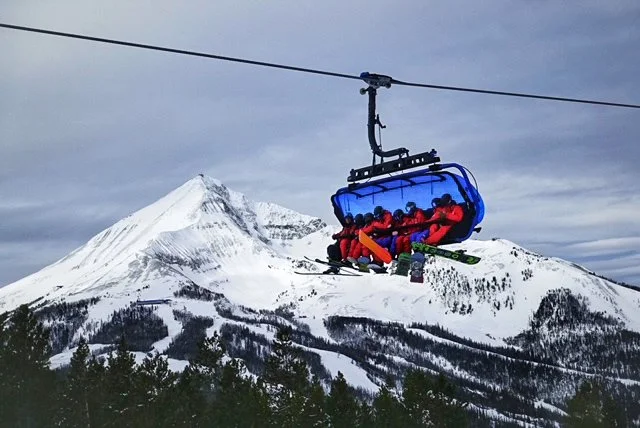
Big Sky Resort- MT
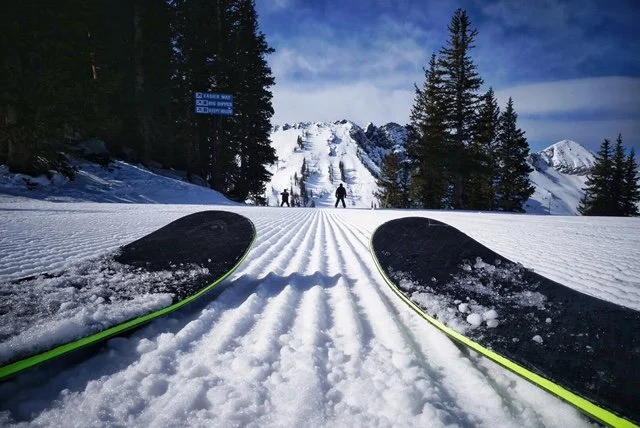
Alta Ski Area - UT
Let’s address the white elephant in the room… most people don’t like winter. They don’t like snow, don’t like being cold and don’t like having fun! Okay, I added the last part to make sure you were paying attention.
Now, let’s get busy - winter is a great time of year to grab your camera (or smartphone) and get outside and explore. It’s truly a beautiful time of year.
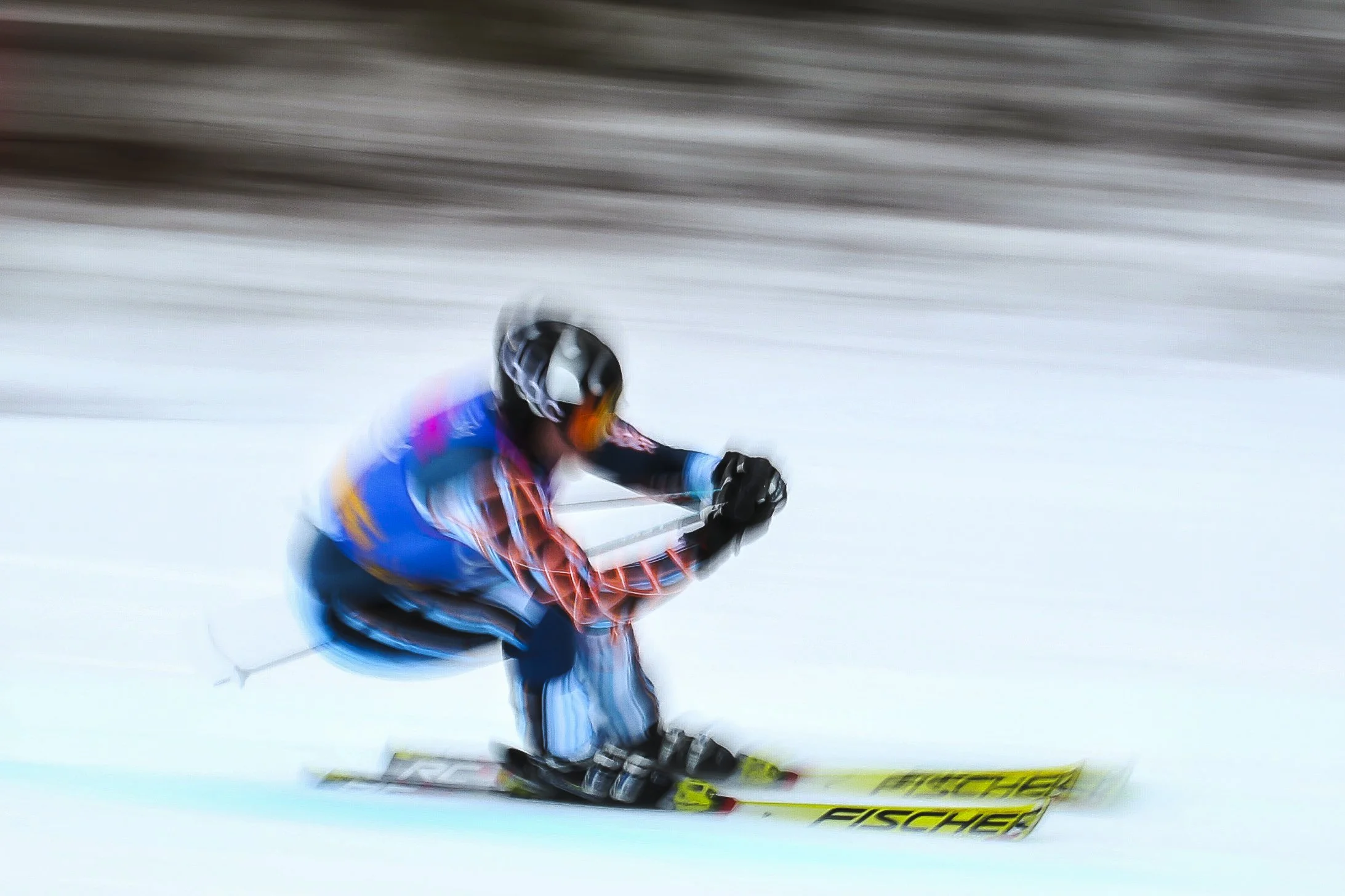
Mountain Creek Ski Resort - NJ
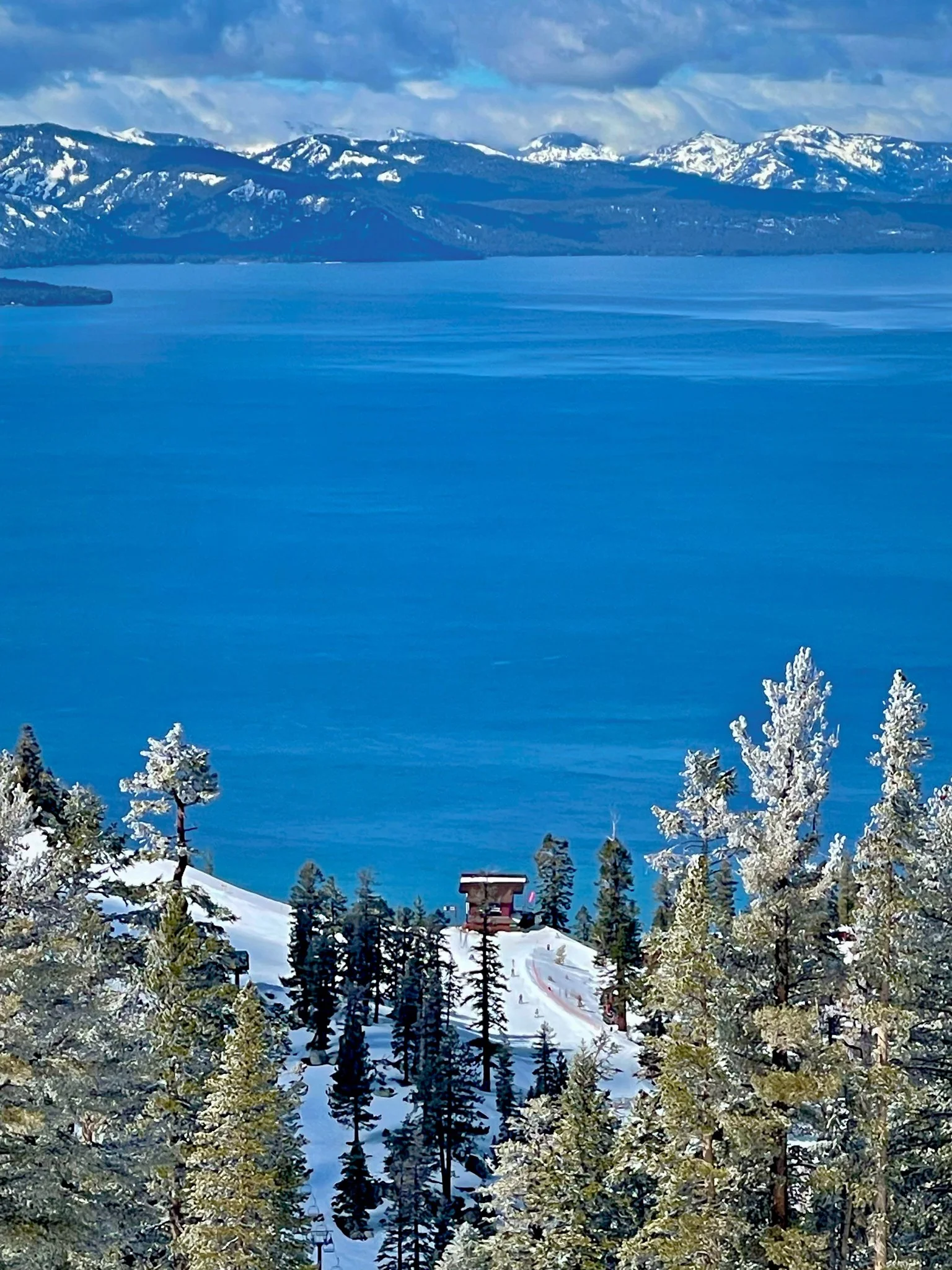
Heavenly Mountain Resort - CA
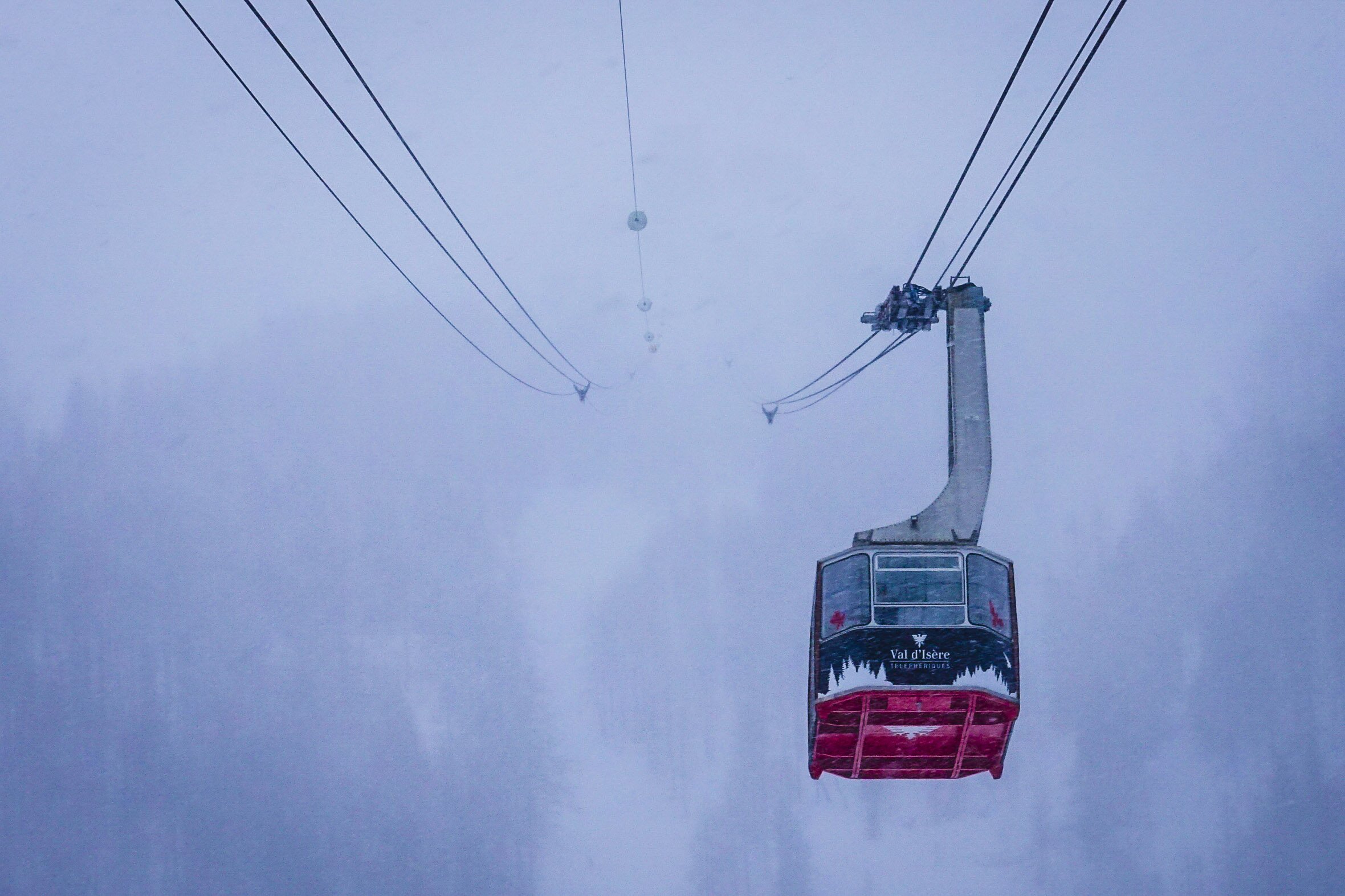
Val d’Isere - France
Here are 5 tips to get you started:
Take A Minimalist Approach - Winter has an inherit way of simplifying the photographic process. Think about it… gone are the complexities and vast color options of summer. Enter the purity of the winter landscape. This may sound like a dichotomy, but a ‘snowscape’ renders the world a neutral color and textures, patterns & atmosphere come to the forefront. There’s also a soft box effect on cloudy days which allows for an even exposure throughout the scene. It’s a creative process with the photo credit going to Mother Nature.
Master Your Exposure - As good as cameras and smartphones are these days at reading light via multiple zones and coming up with the correct exposure, they’re not perfect. Far from it. A camera still needs a good captain at the helm. A pure white scene will automatically render an image as too bright and incorrectly adjust the image. This leads to a muddy or grey end product. Without beleaguering the point: Snow should be white. Thus, you have two options to correct this issue: Point your camera at a neutral gray object to record a proper exposure - a tree, barn or blue sky for example. This will provide the proper reading and allow you to adjust accordingly in manual mode. Or, you can intentionally overexpose your image by +1 or +2 stops to render a better exposure. Canon users can use the exposure wheel on the back of the camera and rotate to the right to compensate. Smartphones users can simply slide the exposure dial on their screen to increase the brightness.
Add a Splash of Color - Add one object of color to your scene - red jacket, red barn or a blue ski lift. The small amount of color splash added to an otherwise neutral image often brings the image to life.
Manage Your Batteries - As previously noted, there have been a ton of photographic advancements in recent years. Sadly, batteries aren’t on the list. The chemical make-up of lithium batteries continue to struggle in cold weather and they will drain much faster than normal. Be sure to keep an extra battery (or two) somewhere near your body for heat. Inside pockets are best as they provide a layer of warmth between you and the outside elements. Note: Dead batteries can often regain a small amount of charge once they warm up. Should you have to swap out batteries while in the field, be sure to place the depleted battery in a warm pocket.
Dress for Success - Outdoor temperatures are only a problem when you don’t have the right clothing. “There’s no such thing as bad weather, just inappropriate clothing” is true. Protect your core, hands and feet as best ($$$) as able and you’ll have a more enjoyable experience. A good layer of merino wool against your body is worth its weight in gold. The natural fiber not only adjusts to your body temperature, it evaporates moisture and provides an anti-bacterial bonus due to the lanolin component. This last part is code for skiers can wear the same shirt for 3 or 4 days without any noticeable odor.
There you have it… 5 tips to improve your winter photography. Considering it’s currently 2F degrees in the NYC area at the moment, I’ll be practicing all of the above in a few hours.
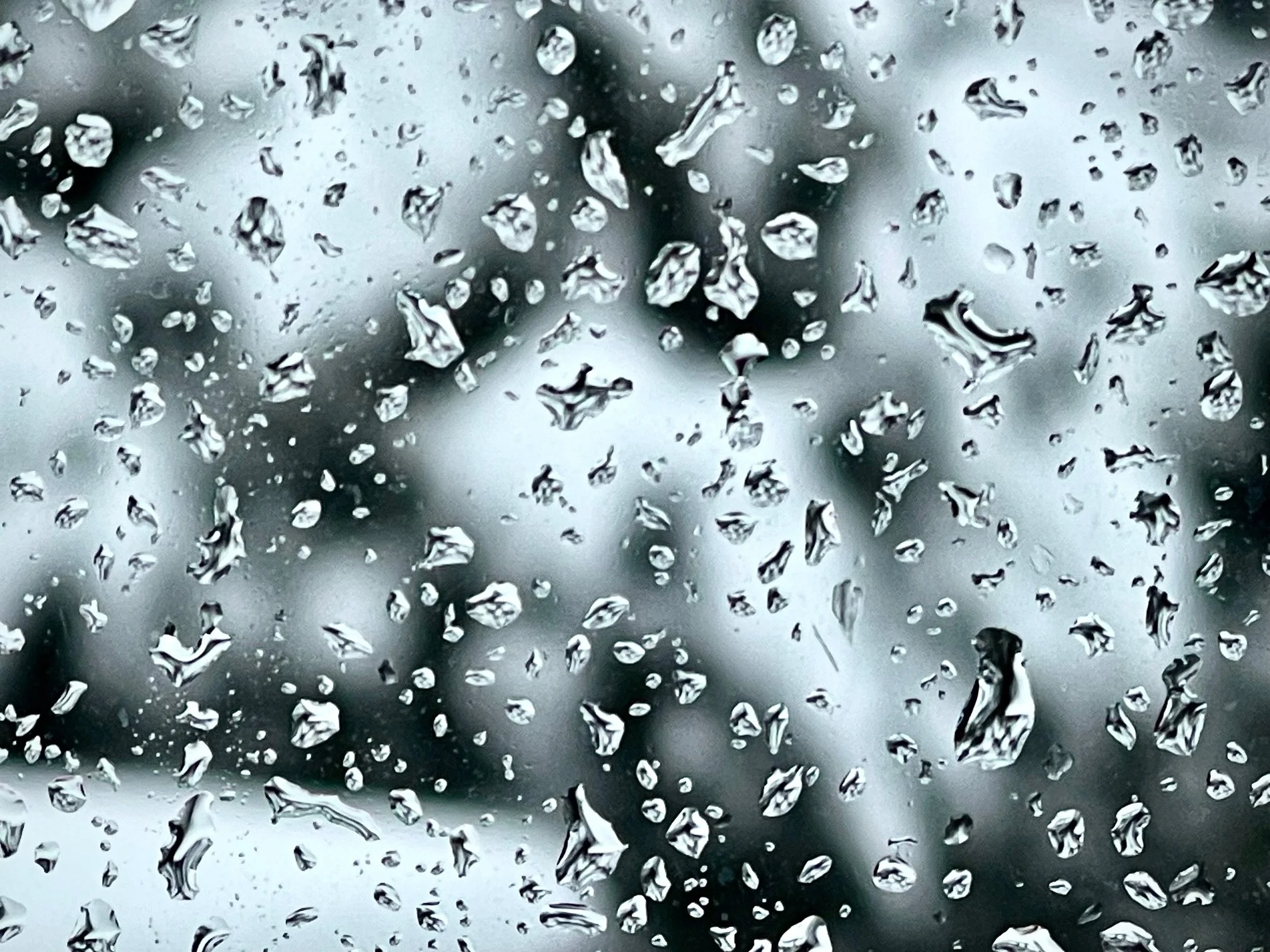
Congers - NY